Research program development
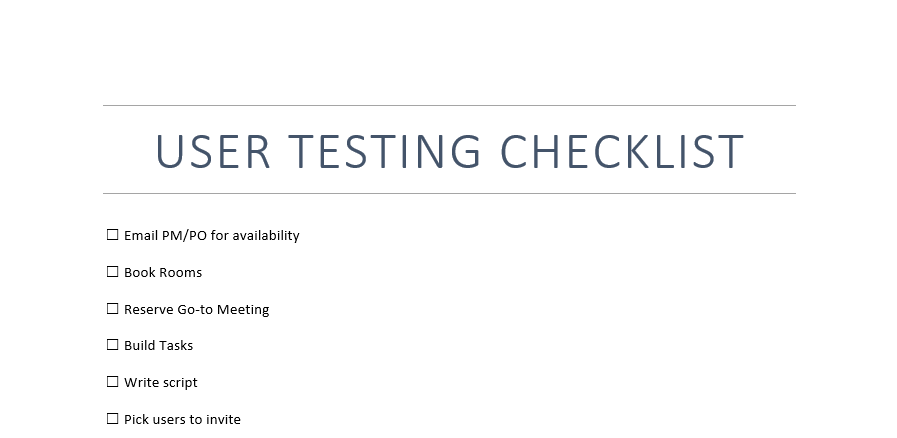
Overview
In my time in the Fintech space, I have formalized and refined a user experience program, which includes:
- Initial recruitment of customers
- Planning of interviews and user studies
- Development of templates and scripts
- Facilitation of sessions
- Transforming findings into actionable insights
- Standardizing reports
Outreach
In an ideal world, we would be able to send out mass invitations to every user that has ever touched our product. However, in our customer base that was likely to do more harm than good, provoking a hostile response rather than opening a productive discussion.
Instead, I sought to get buy-in from users for research activities before we needed to reach out to them using the following methods:
-
Get buy-in at the right time
I placed promotion for the research program near user-initiated activities of similar purposes - such as voting in a customer idea portal - where they would already be in a motivated mindset.
-
Ease of sign-up
In addition to call-to-action banners, users could sign up for the program in a single click when setting up their Customer Success account.
-
Targeted invitations
By tying sign-up to the customer success account, I could use other information gathered from this account - such as what parts of the product they used - to invite them only to research opportunities that were relevant to them.
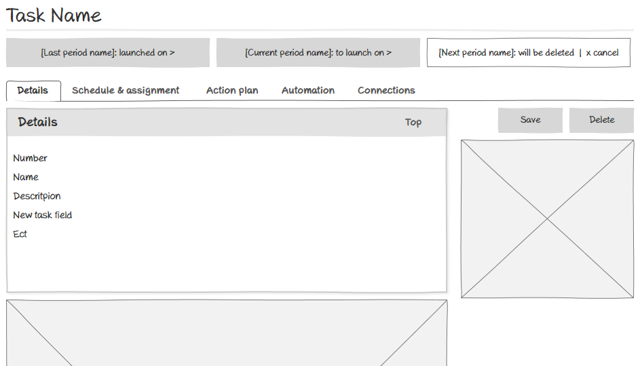
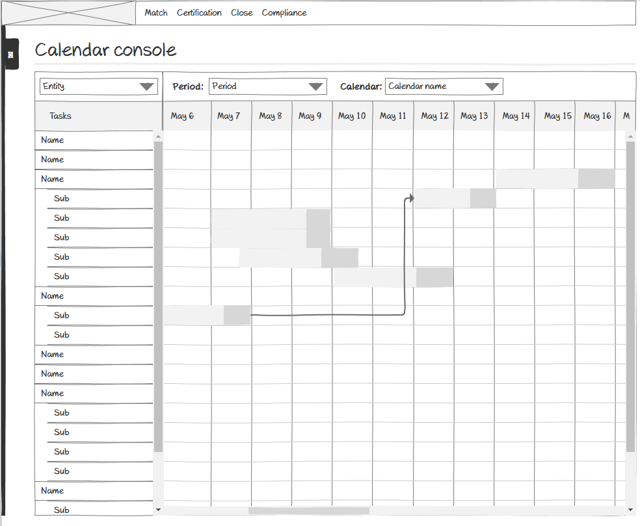
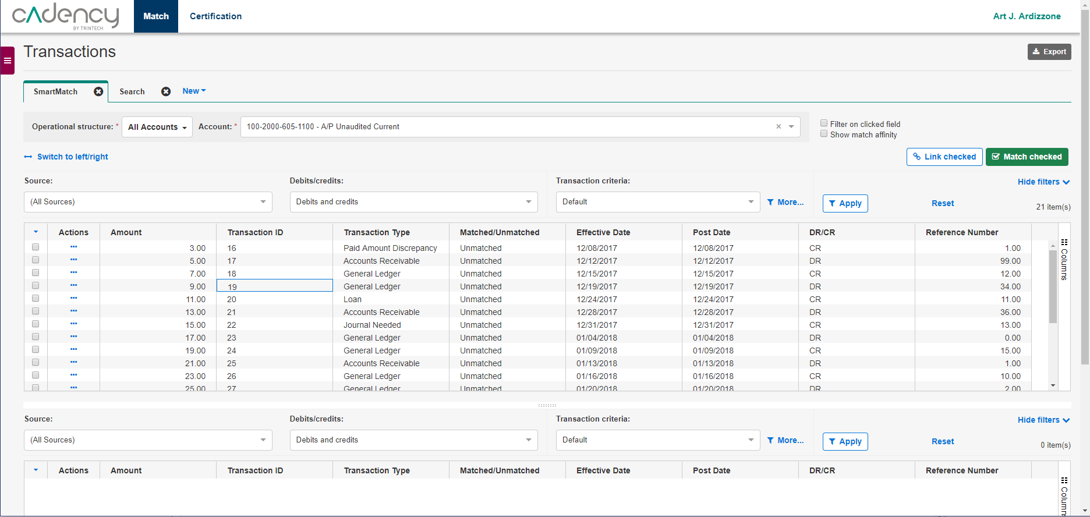
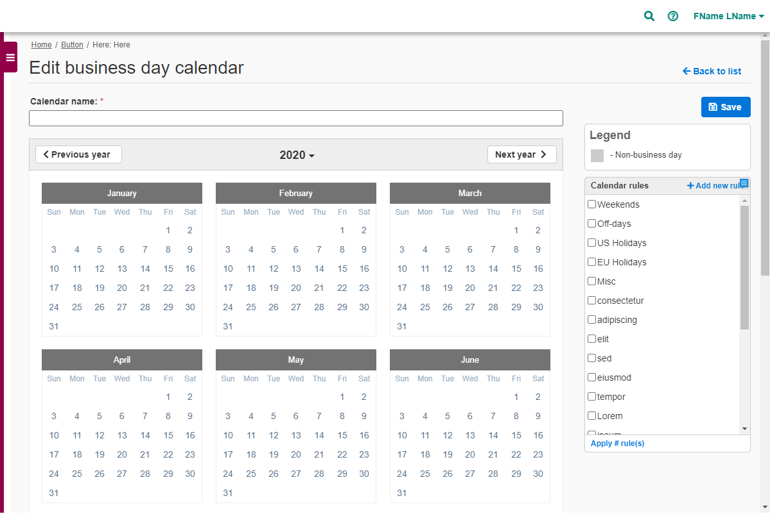
Examples of wireframes and prototypes used for user testing, spanning from low fidelity to high fidelity.
Running sessions
Scripts, templates, and best practices were standardized for the program. While for more experienced designers these functioned more as rough guidelines than a strict procedure, their existence was especially useful for new designers joining the team.
Interview best practices
-
Keep initial list of questions short
Aim for between three and eight questions, with the expectation that you will add more questions based on the feedback received during the session. These questions serve as your guidepost for what you're trying to understand through this study.
-
Ask for a story
Starting with an open-ended question such as "What has your experience been with - " prompts users to be much more open and will provide more information to help guide the rest of the conversation. Implementing this strategy significantly increased the quality of conversations and depth of findings in my interviews.
-
Be prepared to pivot
Sometimes customers don't give you the feedback you're hoping for, whether that's because of misunderstanding, lack of information, or lack of interest. Don't be afraid to pivot based on what information they are giving you. All research can go into the repository, whether it can be used for your current project or not.
Crafting a user study script
Drafting a list of tasks for a user study should be done with the utmost attention to detail to be sure your verbiage will not unduly affect user performance. Using the exact terms used on the page could inflate the success rate of tasks by causing the users to note elements they otherwise would have skipped over.
Because of this, the phrasing of questions in a user study script should be adhered to much more closely than an interview script, where it is treated more as a loose prompt.
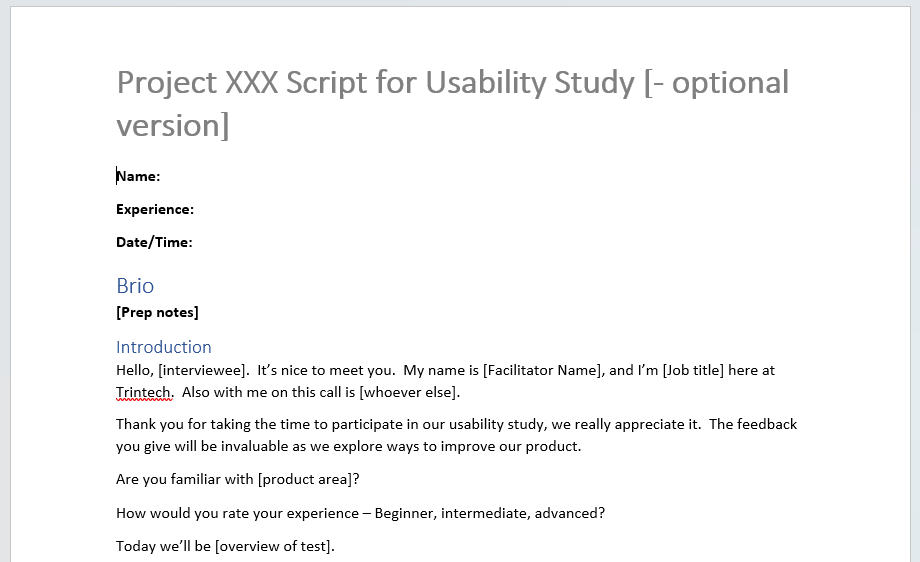
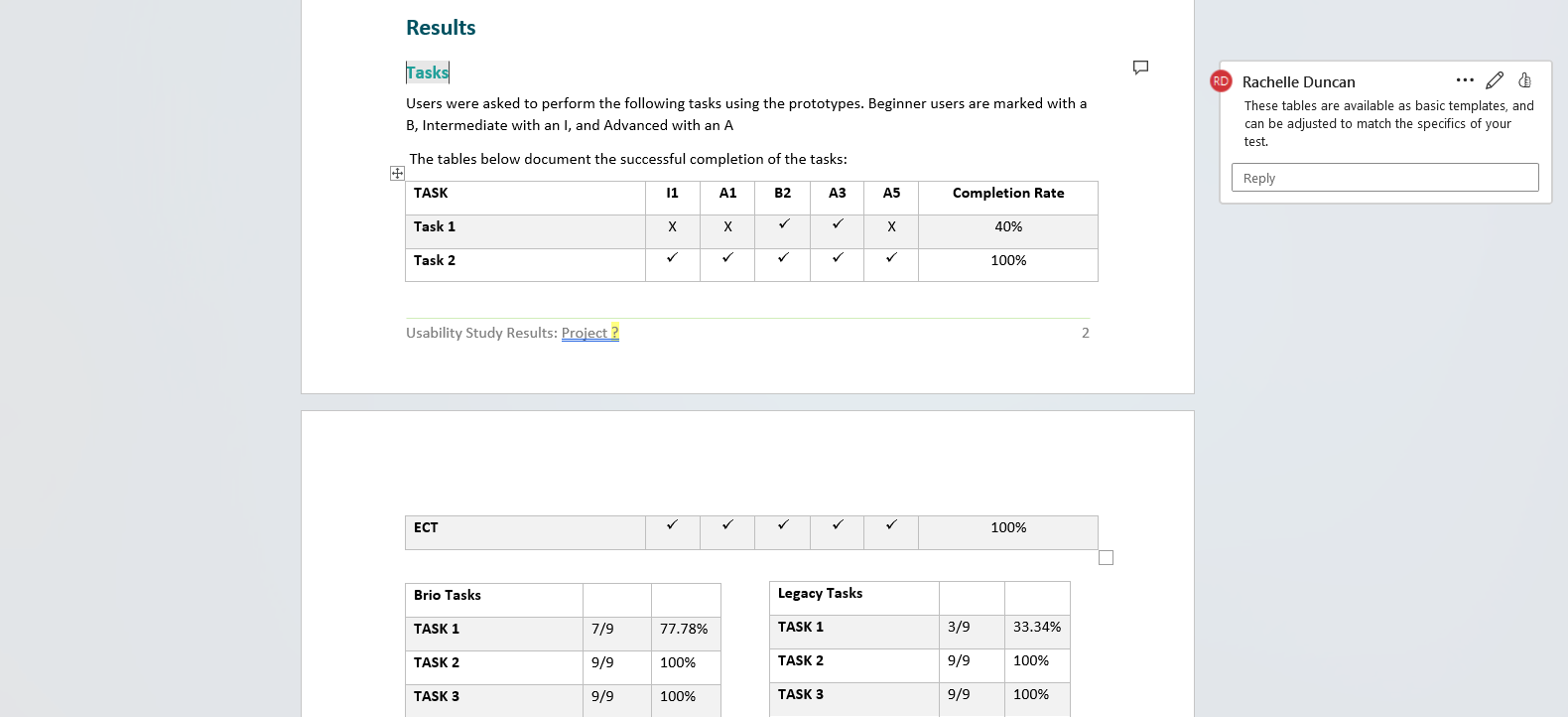
Screens from the templates created for user study scripts and reports.
Returning results
For this program, I created standardized reports that are quickly put together for sharing post-study and could be easily referenced by key decision makers at later dates when working on roadmaps.
Templates for two types of report were created:
- Word or PDF report: Primarily useful for the design team. A full and detailed record covering every aspect of the study.
- Slide deck: Primarily useful for teams UX partners with. Contains a summary of the problems we were aiming to understand or solve, feedback and task results, and suggested action items as a result.
Program Benefits
Increased customer engagement
Accelerated research timelines
Increased actionable insights from reviews
When fully developed, the UX Research program helped increase customer engagement, accelerate timelines, and standardized communication for ease of use. Once built, a research initiative could be spun up within a day when a new concern arose. In a fast-paced environment, this agility was a tremendous boon to the team.